
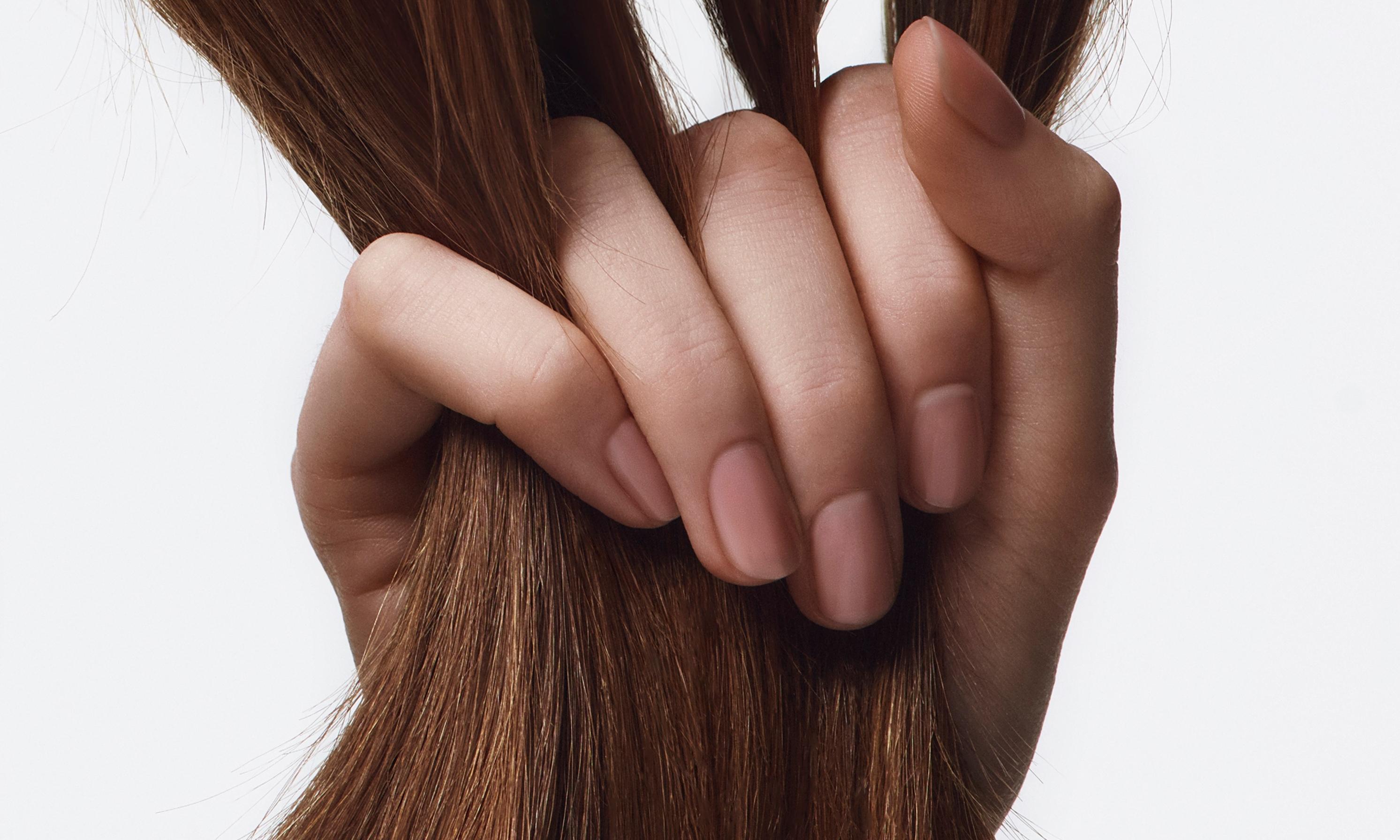
What I want every woman to understand about her hair through menopause.
One of the biggest misconceptions I hear about menopause is that thinner, drier or suddenly different hair is simply something we have to accept.
Yes, your hair changes during perimenopause, menopause and the years after. But understanding why it’s changing gives you a much better idea of what you can actually do about it.
As estrogen declines, we lose some of its protective effect on the hair follicle. Hair can spend less time in its active growth phase, individual strands may become finer, and for women who are genetically sensitive to androgens, thinning through the part and crown can become more noticeable.
But the follicle isn’t the only thing changing.
Your scalp is skin, and menopause affects it too. Lower estrogen can mean less sebum, reduced hydration and changes in barrier function. That’s why women often tell me their scalp suddenly feels drier or more sensitive, while their hair feels finer, frizzier or simply behaves differently than it used to.
This is where I think we need to change the conversation. Menopausal hair isn’t “bad hair.” It’s hair growing from a completely different biological environment than it was ten years ago, and your routine should evolve with it.
A Few Myths I’d Like to Retire
“I just need more biotin.”
Probably not. Biotin deficiency is relatively uncommon, and supplementing it isn’t a fix for menopausal thinning if you’re not deficient. I’d much rather look at iron, vitamin D, thyroid function, nutrition and the pattern of the thinning before reaching for another hair gummy.
“It’s just hormones, so there’s nothing I can do.”
Hormones matter enormously, but they’re not the entire story. Genetics, androgen sensitivity, nutritional status, stress and the health of the scalp all influence how well a follicle functions.
“Once it starts thinning, it’s too late.”
This is the one I really want women to stop believing. A follicle producing finer hair is very different from one that has stopped producing hair altogether. The earlier you identify why your density is changing, the more options you have to protect the hair you have.
Menopause changes the conditions your hair is growing in. That doesn’t mean your good hair years are behind you. It means it’s time to stop caring for your hair like it’s still 30.
Here’s what I recommend to my clients in this phase of life:
Start with Stem Cell Scalp Serum™: its 2% Apple Stem Cells help protect follicles from the oxidative damage behind premature shedding.
Then add Stem Cell Thickening Foam™ for instant lift and fuller-looking hair from day one, with the same Apple Stem Cells to improve the look and feel of density over time.
Together, they make up our Stem Cell 2-Step Thickening System, a simple daily ritual for the first signs of thinning.
Lastly, if your scalp suddenly feels dry, tight or itchy (very common during menopause), I recommend our Scalp Relief Cooling Serum. Peppermint oil, amino acids and fireweed extract instantly cool and soothe the scalp.


